Elon Musk’s Neuralink: Transforming Lives with Brain-Computer Interfaces
News Summary
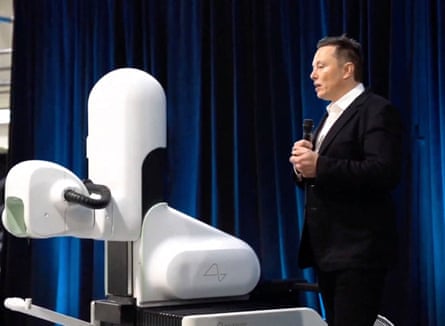
Elon Musk’s Neuralink has revolutionized the field of brain-computer interfaces (BCIs) with its N1 chip, which was implanted into Noland Arbaugh, a quadriplegic man, in January 2024. This wireless brain chip allows Arbaugh to control electronic devices using only his mind, showcasing the potential of BCIs to change lives. Despite challenges such as initial setbacks with electrode placement, Neuralink managed to resolve issues through software adjustments. Arbaugh, who is the first human recipient of this implant, has demonstrated the chip’s capabilities by playing video games and browsing the internet without physical movement. Neuralink aims to make BCIs commercially viable, offering hope for augmented human capabilities and potentially defending against artificial intelligence threats. However, ethical concerns about privacy and the technology’s implications have been raised. Musk’s vision for Neuralink includes enabling full body functionality for those with spinal injuries and enhancing human cognition. The journey of Noland Arbaugh illustrates both the promise and challenges of integrating technology with human biology.
Story Coverage
 theguardian.com
Elon Musk put a chip in this paralysed man’s brain. Now he can move things with his mind. Should we be amazed - or terrified?
Read Full Article →pressreader.com