AI-Powered Wi-Fi Technology Revolutionizes Depression Detection in Older Adults
News Summary
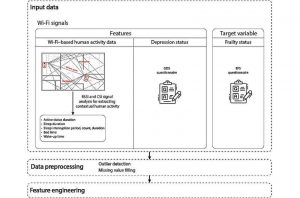
Canadian researchers at McGill University and the Mila-Quebec AI Institute have developed a groundbreaking AI model called HOPE (Health Outcomes through Passive Evaluation) that uses Wi-Fi-based motion sensor data to detect depression in older adults. This innovative approach eliminates the need for intrusive wearable devices, offering a non-intrusive method with an accuracy rate nearing 90%. The project aims to address the growing public health concern of depression among older adults, which often goes undiagnosed. The HOPE model utilizes existing Wi-Fi infrastructure for continuous passive monitoring, providing early intervention opportunities. This technology is part of a broader effort to enhance mental health assessments and improve the quality of life for seniors at risk. The initiative highlights the potential of AI and machine learning tools in advancing digital health technologies and supporting vulnerable populations.
Story Coverage
 whatsyourtech.ca
Can AI Bring Hope? Using Technology to Detect Depression and Anxiety in Aging Adults
Read Full Article →theoutpost.aiAI-Powered Wi-Fi Technology Detects Depression in Older Adults with 87% ...
Read Full Article →medicalxpress.comWi-Fi-based technology developed to detect depression in older adults
Read Full Article →digitalhealthscience.org