
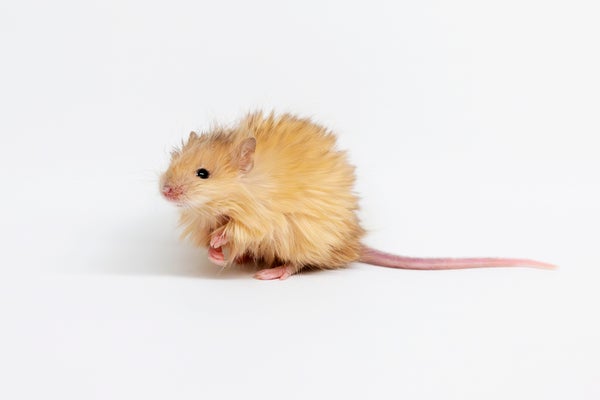
Colossal Biosciences Advances in De-extinction with Genetically Engineered Woolly Mice
News Summary
Colossal Biosciences, a de-extinction startup, has made significant progress in its mission to resurrect the woolly mammoth by creating genetically engineered ‘woolly mice’ with mammoth-like features. The mice have been gene-edited to develop thick, golden-brown fur and fat deposits akin to those of woolly mammoths, marking an important step in the company’s project to bring back woolly mammoths by 2028. The company has edited the genes of these mice to have longer, frizzier, and more golden fur, as well as modifications in fat metabolism. This experiment serves as a demonstration of Colossal’s approach to resurrecting traits lost to extinction, using mouse models to test genetic edits before applying them to larger animals like Asian elephants. The woolly mice have been described as adorable and significantly cuter than anticipated, providing a proof of concept for incorporating multiple mutations into a single organism. Colossal’s chief science officer, Beth Shapiro, emphasizes the importance of evaluating the impact of genetic edits comprehensively before applying them to their ultimate target species, the woolly mammoth.
Story Coverage
 wired.com
Scientists Just Created a ‘Woolly Mouse’ With Mammoth-Like Fur
Read Full Article →livescience.com'We didn't know they were going to be this cute': Scientists unveil genetically engineered 'woolly mice'
Read Full Article →scientificamerican.comCompany Seeking to Resurrect the Woolly Mammoth Creates a 'Woolly Mouse ...'
Read Full Article →npr.orgHoping to revive mammoths, scientists create 'woolly mice' - NPR
Read Full Article →techcrunch.com


